

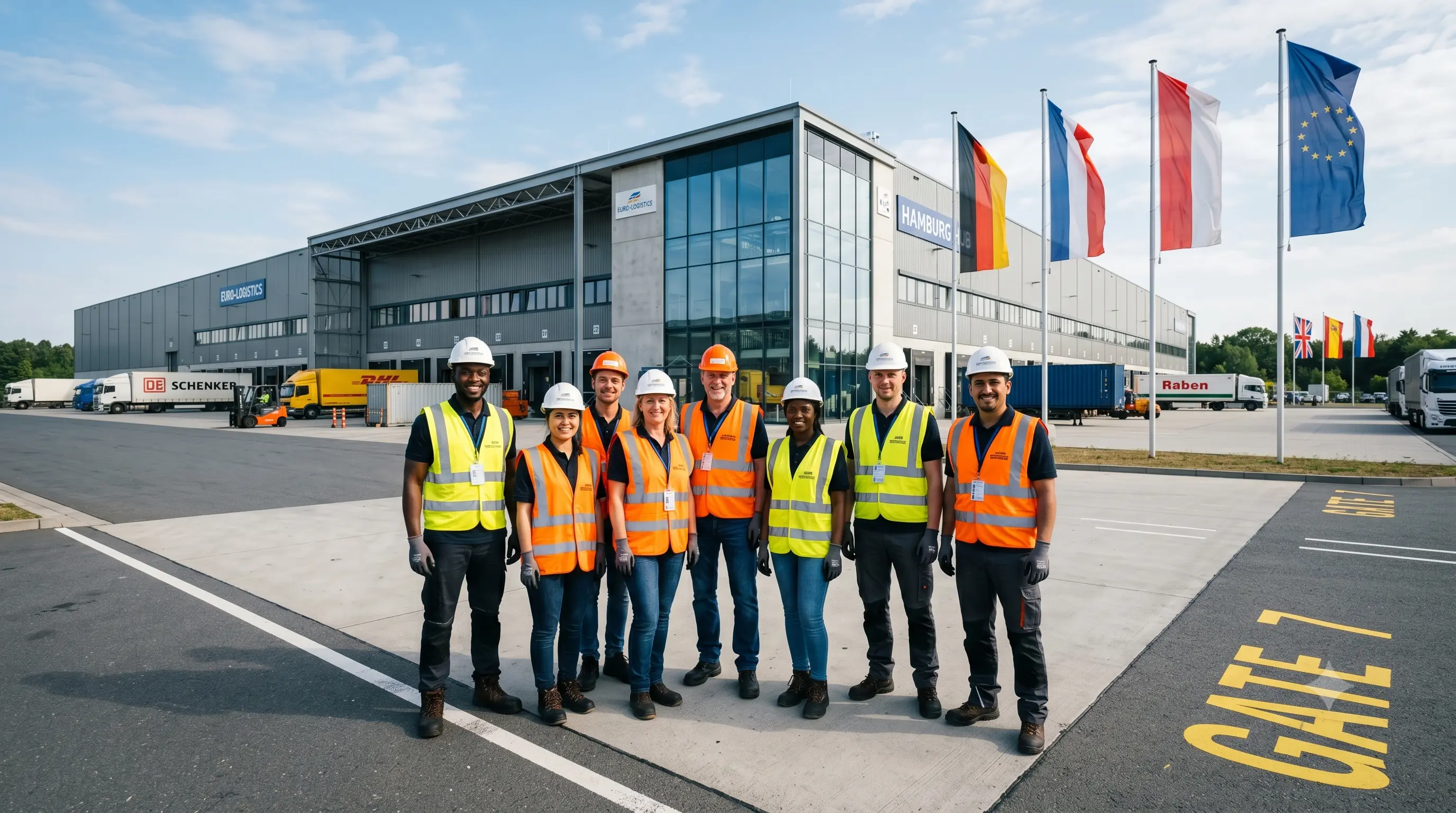
Unskilled & Entry Level Jobs in Europe with Visa Sponsorship
Focus Keyword: unskilled jobs with visa sponsorship in Europe | URL: /unskilled-jobs-with-visa-sponsorship-europe
Are you looking for unskilled jobs with visa sponsorship in Europe? You are not alone. Every year, thousands of workers from Bangladesh, India, Pakistan, Nepal, and other developing countries find employment in Europe without a university degree. The demand for unskilled and entry level labour across warehouses, farms, construction sites, hotels, and factories is at an all-time high in 2026, and many employers are actively sponsoring work visas for foreign workers.
This guide covers everything you need to know, from the best countries and sectors to how to apply, what documents to prepare, and how to avoid scams. Whether you are a fresh graduate, a school leaver, or someone with basic trade skills, this article will show you a realistic pathway to Europe with a sponsored visa.
Why Europe Needs Unskilled and Entry Level Workers in 2026
Many European countries are dealing with a serious labour shortage. An ageing population, low birth rates, and strong economic activity have created millions of vacancies in industries that do not require formal education. Governments across the EU and UK have responded by expanding work visa categories for low-skilled and semi-skilled workers from outside Europe.
The sectors with the most acute labour shortages include:
Logistics and warehousing: Germany, Netherlands, Poland
Agriculture and food processing: Spain, Italy, France, Poland
Construction and civil works: Germany, Norway, Sweden, Ireland
Hospitality and housekeeping: UK, Spain, Portugal, Switzerland
Cleaning and facilities management: across all 19+ EuroStaffs countries
Domestic care and elderly support: Germany, Italy, France
For job seekers without degrees or formal qualifications, this is an extraordinary opportunity. Employers are sponsoring visas not as a favour but because they cannot find enough local workers.
What Counts as an Unskilled or Entry Level Job in Europe?
The term unskilled does not mean the job is easy. It simply means no formal academic degree or professional licence is required. Entry level jobs are positions where employers are willing to train workers from scratch. Examples include:
Warehouse and Logistics
Picker and packer roles
Forklift operator (often requires a short certification, not a degree)
Delivery driver assistant
Stock controller and inventory worker
Agriculture and Horticulture
Fruit and vegetable picker
Greenhouse worker
Farm labourer and livestock assistant
Food processing factory worker
Construction and Trades
General site labourer
Scaffolding assistant
Painter and decorator helper
Civil works operative
Hospitality and Catering
Kitchen porter and dishwasher
Hotel housekeeper and room attendant
Waiter and catering assistant
Laundry worker
Cleaning and Facilities
Office and commercial cleaner
Industrial cleaning operative
Waste management and recycling worker
You can find hundreds of open positions in these categories on EuroStaffs.org jobs board, which lists verified employer vacancies across 19 European countries.
Best Countries for Unskilled Jobs with Visa Sponsorship in Europe
1. Germany
Germany is the largest economy in Europe and one of the most open to foreign workers in 2026. The German Chancenkarte (Opportunity Card) and the new Skilled Immigration Act make it easier than ever for non-EU nationals to enter the labour market, even without qualifications. Sectors actively sponsoring visas include logistics, construction, cleaning, and elderly care. Average wages range from EUR 12 to EUR 18 per hour for entry level roles.
2. Poland
Poland has become one of the top destinations for Asian workers seeking entry level jobs in Europe with visa sponsorship. The country has a simplified work permit system and a massive demand for warehouse staff, factory workers, and agricultural labourers. Polish employers process visas relatively fast and many provide accommodation as part of the package.
3. Netherlands
The Netherlands is a logistics hub of Europe, home to the Port of Rotterdam and major distribution centres for Amazon, DHL, and dozens of other multinationals. Europe warehouse jobs with visa sponsorship are plentiful here. Workers can earn EUR 13 to EUR 16 per hour in warehouse roles and many employers partner with recruitment agencies that handle visa sponsorship.
4. Spain
Spain has a seasonal agricultural work scheme that brings tens of thousands of workers from Morocco, Colombia, and increasingly South Asia each year. The demand for farm labourers, fruit pickers, and greenhouse workers is especially high in Almeria, Huelva, and Murcia. Spain also sponsors visas for hospitality workers in its coastal resort regions.
5. Norway and Sweden
The Scandinavian countries offer some of the highest wages in Europe for unskilled workers. Cleaning staff, warehouse workers, and construction labourers can earn NOK 200 to NOK 300 per hour, approximately EUR 17 to EUR 26. Both countries have active work permit schemes for non-EU nationals and strong worker protection laws.
6. Ireland and the UK
Post-Brexit UK introduced the Skilled Worker Visa, and while it is mainly aimed at skilled roles, many care worker, agricultural, and hospitality positions are eligible. Ireland operates the General Employment Permit, which covers dozens of entry level occupations. Both countries are English-speaking, making them popular with Bangladeshi and South Asian workers.
7. Czech Republic and Hungary
These Central European countries have large manufacturing and automotive sectors that are actively recruiting from outside the EU. Entry level factory jobs, assembly line roles, and logistics positions are available with visa sponsorship, often with accommodation included.
Europe Warehouse Jobs with Visa Sponsorship: A Closer Look
Warehouse work is one of the most accessible pathways into the European labour market for workers with no prior experience. It requires physical fitness rather than academic qualifications.
Types of Warehouse Jobs Available
Order picker and packer: scanning and packing products for dispatch
Goods-in operative: receiving, checking, and logging incoming stock
Returns processor: inspecting and restocking returned items
Forklift operator: moving pallets and heavy goods within the warehouse
Inventory and cycle counter: auditing stock accuracy
Top Employers Sponsoring Warehouse Visas
Amazon: Germany, Poland, Spain, France, Czech Republic
DHL and DPD: Netherlands, Germany, UK
LIDL and Kaufland: Germany, Poland, Hungary
XPO Logistics: France, Spain, Netherlands
DB Schenker and Kuehne+Nagel: Germany, Netherlands
What to Expect
Shift-based work, often 8 to 12-hour shifts
Physical work involving standing, lifting, and walking long distances
Competitive wages starting at EUR 11 to EUR 16 per hour
Accommodation often included or provided as part of the relocation package
Forklift Operator Jobs in Europe with Visa Sponsorship
Forklift driving is one of the most in-demand semi-skilled roles in European warehouses, factories, and ports. While it requires a forklift licence, which can be obtained in a short training course, it does not require any academic degree, making it an ideal entry point for aspirant workers.
Why Forklift Operators Are in Demand
The e-commerce boom has driven massive expansion in European warehouse networks. Every new fulfilment centre needs forklift operators. Germany alone is estimated to have over 50,000 forklift operator vacancies in 2026. Poland, the Netherlands, and the UK also have significant shortages.
Salary for Forklift Operators in Europe
Germany: EUR 14 to EUR 20 per hour
Netherlands: EUR 13 to EUR 18 per hour
Poland: PLN 25 to PLN 40 per hour (approx. EUR 6 to EUR 9)
Norway: NOK 200 to NOK 280 per hour
UK: GBP 12 to GBP 16 per hour
How to Get a Forklift Licence
If you do not yet have a forklift licence, do not worry. Many employers offering forklift operator jobs in Europe with visa sponsorship will pay for your training once you arrive. Alternatively, you can take a short certification course in your home country and include it in your CV to strengthen your application.
How to Apply for Unskilled Jobs in Europe with Visa Sponsorship
Step 1: Build a Professional CV
Your CV is the most critical document in your application. European employers want a clear, concise, and professionally formatted resume. Highlight any physical work experience, language skills, and willingness to relocate. Even if you have no formal experience, structure your CV to show reliability and a strong work ethic.
Use the EuroStaffs free CV builder to create a Europe-ready CV in minutes. It is the most reliable CV creation tool available for South Asian job seekers targeting European employers, with templates optimised for ATS systems used by major European recruiters.
Step 2: Search Verified Job Listings
Use EuroStaffs.org to search for verified unskilled and entry level jobs across 19 European countries. Filter by country, sector, and visa sponsorship availability. Avoid third-party job sites that charge fees upfront as legitimate visa sponsorship is free for job seekers.
Step 3: Gather Your Documents
Before applying, prepare the following:
Valid passport with minimum 12 months remaining
CV in English or the target country's language
Police clearance certificate
Medical fitness certificate
Any relevant training certificates such as forklift, food hygiene, or first aid
Proof of address and educational background
Step 4: Apply Directly to Employers or Registered Agencies
In Bangladesh and South Asia, visa fraud is a serious problem. Always apply through registered recruitment agencies or directly via official employer websites. Avoid anyone who asks for money in exchange for a job offer letter or visa guarantee. Legitimate employers and licensed agencies do not charge placement fees to workers.
Step 5: Attend the Interview
Many European employers now conduct video interviews via Zoom or Teams. Prepare answers around your reliability, physical fitness, willingness to work shifts, and ability to follow instructions. Even with no experience, your attitude and communication can win the job.
Step 6: Work Visa Application
Once you receive a job offer, your employer will initiate the visa application process. This typically involves submitting your employment contract, passport, and supporting documents to the relevant European embassy in Dhaka. Processing times vary by country. Germany takes 4 to 8 weeks, while Poland can be faster.
Documents You Need for a European Work Visa
Job offer letter or employment contract from a European employer
Completed work visa application form for the target country
Valid passport with at least 12 months validity
Recent passport-sized photographs
Police clearance certificate from National Security Intelligence or Bangladesh Police
Medical fitness certificate from an approved panel physician
Proof of accommodation in the destination country
Bank statements (may be required by some embassies)
Educational certificates to support credibility
Requirements vary by country. Check the official embassy website for the country you are applying to before submitting documents.
Salary Expectations for Unskilled Jobs in Europe
One of the biggest reasons South Asian workers target Europe is the significant difference in wages compared to domestic salaries. Here is a realistic overview of what you can expect to earn:
Germany: EUR 1,800 to EUR 2,500 per month for warehouse and logistics
Netherlands: EUR 1,700 to EUR 2,200 per month for entry level roles
Norway: NOK 35,000 to NOK 45,000 per month (approx. EUR 3,000 to EUR 3,900)
Poland: PLN 4,000 to PLN 6,000 per month (approx. EUR 900 to EUR 1,400)
Spain: EUR 1,200 to EUR 1,600 per month for agricultural and hospitality
UK: GBP 1,600 to GBP 2,200 per month
Many employers also provide food and accommodation, which significantly reduces your living expenses and allows you to save a larger portion of your salary.
How to Avoid Job Scams When Looking for Sponsored Visa Jobs
The demand for European jobs among South Asian workers has unfortunately created a thriving scam industry. Here are the red flags to watch out for:
Agencies or individuals charging upfront fees for job placement
Job offers sent via WhatsApp or Facebook without any formal process
Offers from employers you cannot verify on official company websites
Promises of guaranteed visa approval in exchange for money
Requests for your passport before any contract is signed
Job offers with salaries far above the market rate for no reason
Always verify job offers by checking the employer website, calling the embassy of the destination country, or using registered recruitment platforms. In Bangladesh, BMET maintains a list of licensed recruitment agencies.
Language Requirements for Unskilled Jobs in Europe
Most unskilled and warehouse jobs in Europe do not require advanced language skills. Here is a realistic language breakdown by country:
Germany: Basic German preferred, but many warehouses operate in English or use multilingual supervisors
Netherlands: English is widely spoken; most warehouse environments in the Randstad region are English-friendly
Poland: Basic Polish or English is usually sufficient for factory and warehouse roles
Norway and Sweden: English is the working language in many international facilities
Spain and Italy: Basic Spanish or Italian is helpful, but agricultural employers often recruit through multilingual agencies
UK and Ireland: English required, but no specific language qualification needed
Even if you speak no European language, enrolling in a basic course before your visa interview demonstrates initiative and improves your chances of being selected.
Tips to Increase Your Chances of Getting Hired
Build a strong, ATS-friendly CV using the EuroStaffs CV builder. It is free and optimised for European employers.
Apply to multiple countries and multiple roles at the same time to maximise your chances.
Get any relevant short certifications such as food hygiene, forklift licence, or first aid before applying.
Learn basic phrases in the language of your target country.
Research the employer before your interview and show genuine interest in the role.
Be honest about your experience level. European employers value reliability over overqualification.
Prepare for a video interview and ensure you have a clean background, good lighting, and a stable internet connection.
Follow up on your application after 5 to 7 working days if you have not heard back.
Frequently Asked Questions
Can I get a job in Europe with no experience or degree?
Yes. Many unskilled and entry level jobs in Europe do not require formal qualifications. Employers in warehousing, agriculture, construction, and hospitality regularly sponsor work visas for foreign workers with no prior experience, as long as they can demonstrate physical fitness and willingness to work.
Which European country is easiest to get a work visa for unskilled workers?
Poland is generally considered the most accessible for workers from Bangladesh and South Asia due to its simplified permit process and high demand for warehouse and factory workers. Germany is also popular because of its new opportunity card scheme, which allows job seekers to enter and look for work.
How much does it cost to apply for a European work visa?
The visa application fee varies by country, typically between EUR 75 and EUR 200. Legitimate employers and licensed agencies do not charge placement fees. Be very cautious of anyone asking for significant sums in exchange for a job offer or visa.
Do forklift operator jobs in Europe require a special licence?
Yes, most European countries require a forklift operator certification. However, many employers will fund your training once you are hired. You can also obtain a certification in Bangladesh before applying, which will strengthen your application significantly.
Is there a specific visa for unskilled workers in Europe?
There is no single unskilled worker visa across Europe. Each country has its own scheme. Examples include Germany's Employment Visa, Poland's Work Permit (Zezwolenie na prace), the UK Skilled Worker Visa which covers some lower-skill roles, and Norway's Work Permit for Non-EEA nationals. Your employer must typically initiate the sponsorship process.
How do I find genuine Europe warehouse jobs with visa sponsorship?
Use trusted platforms like EuroStaffs.org which verifies employer listings across 19 European countries. Avoid unsolicited WhatsApp offers and agencies that charge fees. Cross-check any employer offer on their official website before submitting your passport.
Can I bring my family to Europe on a work visa?
Many European work visas allow for family reunification after a period of 6 to 12 months, depending on the country and visa type. Germany, Norway, and the Netherlands have clear pathways for spouses and dependent children to join a primary visa holder. Check the specific country immigration rules for current requirements.
Conclusion
Unskilled jobs with visa sponsorship in Europe are not a myth. They are a real, growing, and accessible opportunity for workers from Bangladesh and across South Asia. The 2026 labour market in Germany, Poland, the Netherlands, Spain, Norway, and several other countries has genuine demand for workers in warehousing, agriculture, construction, hospitality, and care. Employers are sponsoring visas because they need workers, not as charity.
The key to success is preparation. Build a professional CV, apply through verified channels, gather the right documents, and stay alert to scams. Whether you are targeting Europe warehouse jobs with visa sponsorship or forklift operator roles in Germany, the pathway is open and EuroStaffs is here to help you take the first step.
Ready to start your journey? Browse unskilled and entry level jobs in Europe on EuroStaffs.org and create your free Europe-ready CV at eurostaffs.org/cv-builder today.



 Arabic
 Chinese
 French
 Russian
 Spanish