

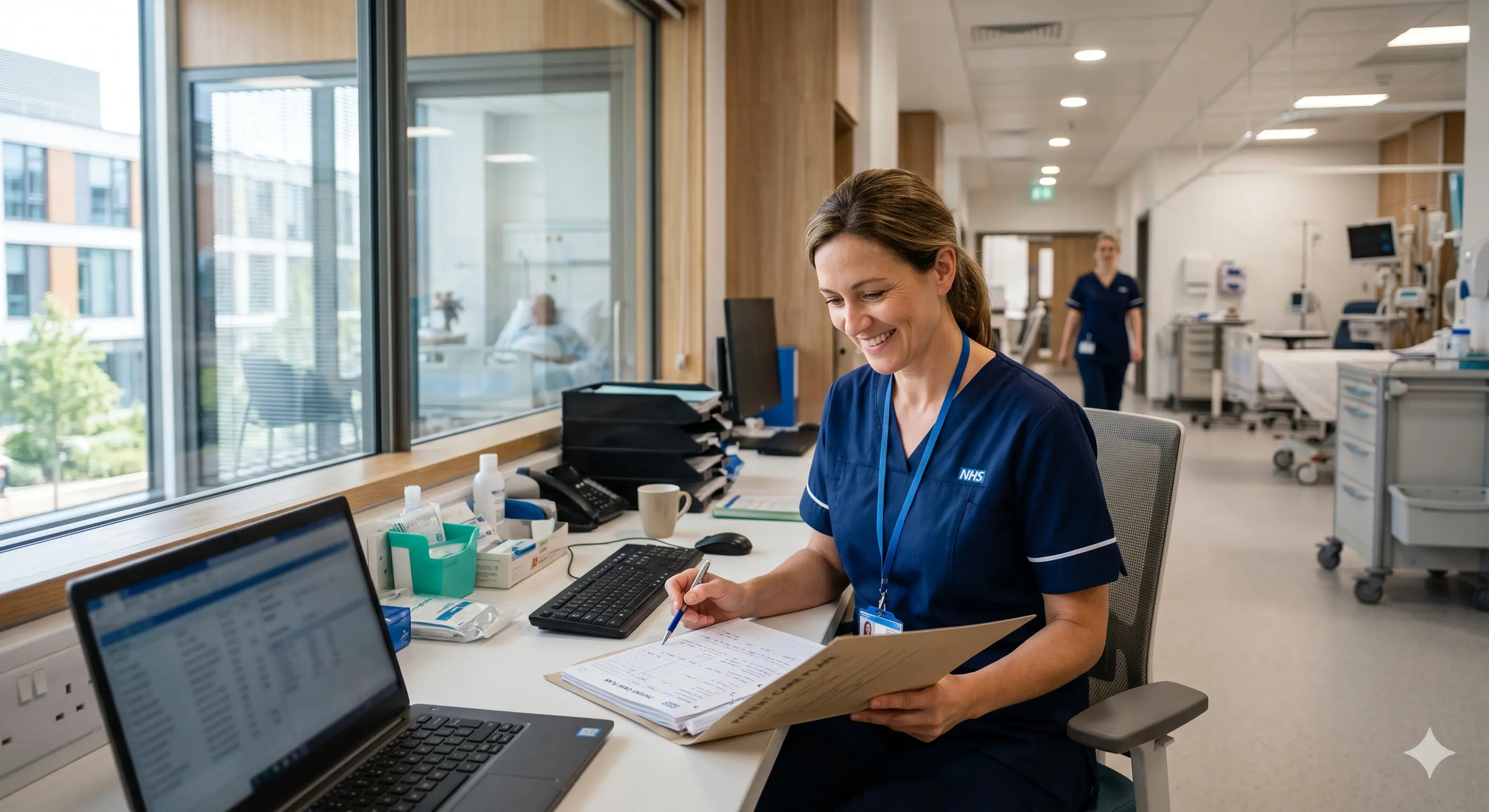
Europe is facing one of the most serious healthcare workforce shortages in its modern history. Hospitals, care homes, and home care agencies across Germany, the Netherlands, Sweden, Norway, and several other countries are actively recruiting nurses, healthcare assistants, caregivers, and allied health professionals from outside the EU — and for many of these positions, visa sponsorship, language training support, and relocation assistance come as part of the package.
For healthcare professionals around the world, this shortage represents a genuine and significant career opportunity. If you hold a nursing qualification, a caregiving certification, or any other healthcare credential, your skills are needed in Europe right now. The challenge is understanding exactly how the credential recognition process works, which countries are hiring most actively, what salaries to expect, and how to navigate the visa application confidently.
This complete guide covers everything a healthcare or nursing professional needs to know about finding and securing a sponsored position in Europe in 2026 — from the first step of assessing your qualifications to the day you begin work in a European facility.
Healthcare & Nursing Jobs in Europe with Visa Sponsorship
Why Europe Desperately Needs International Healthcare Workers
An Ageing Population and a Shrinking Workforce
The core driver of Europe's healthcare staffing crisis is demographic. Europe has some of the oldest populations in the world, and the proportion of people over 65 is growing rapidly in nearly every country. Germany, Italy, Finland, and Sweden all face significant and growing demand for healthcare and elderly care services — demand that their domestic healthcare workforces are simply not large enough to meet.
At the same time, many European countries are losing healthcare workers to retirement faster than they can train replacements. The pipeline of newly qualified nurses and healthcare assistants from domestic training programmes falls well short of what is needed. International recruitment is not a temporary measure — it is a structural necessity that will continue to grow throughout the decade.
Post-Pandemic Recognition of the Healthcare Workforce
The experience of the pandemic years accelerated European governments' awareness of how critically dependent their health systems are on foreign-born healthcare workers. Several countries responded by streamlining their credential recognition processes, expanding language training support, and creating dedicated fast-track visa routes for healthcare professionals. Germany, in particular, has invested significantly in its international healthcare recruitment infrastructure since 2021, and the results are visible in the volume and quality of sponsored positions now available.
Specific Shortfall Numbers That Put the Opportunity in Context
Germany currently has over 200,000 unfilled positions in healthcare and elderly care at any given time. The Netherlands estimates a shortage of around 100,000 healthcare workers by 2030. Sweden's healthcare authority has publicly stated that international recruitment is essential to maintaining service levels. For a qualified nurse or caregiver from Bangladesh or elsewhere in South Asia, these numbers represent real, immediate opportunities rather than distant possibilities.
Most In-Demand Healthcare Roles in Europe with Visa Sponsorship
Registered Nurse
Registered nurses are the single most sought-after healthcare professionals in Europe right now. General nurses, intensive care nurses, emergency nurses, theatre nurses, and paediatric nurses are all in demand across most major European healthcare systems. A recognised nursing degree and registration with the relevant nursing council in your home country are the foundation of any application.
Top hiring countries: Germany, Netherlands, UK, Sweden, Norway, Denmark, Ireland Average annual salary: €32,000 to €58,000 depending on country and specialisation Visa route: EU Blue Card (where salary qualifies), national healthcare worker visa, fast-track routes in Germany and Netherlands
Healthcare Assistant
Healthcare assistants — who support registered nurses and doctors by assisting patients with daily activities, monitoring vital signs, and providing basic care — are in very high demand, particularly in elderly care facilities and home care settings. The qualification requirements are lower than for registered nurses, making this one of the most accessible entry points into European healthcare for international workers.
Top hiring countries: Germany, Netherlands, UK, Sweden, Austria Average annual salary: €22,000 to €38,000 Visa route: National skilled worker visa, employer-sponsored work permit
Caregiver
Caregivers who work with elderly, disabled, or chronically ill individuals in residential care homes or private homes are among the most urgently needed workers across Western and Northern Europe. Germany and Austria in particular have developed structured international recruitment programmes specifically for caregivers, including language training and credential recognition support funded by the employer or the government.
Top hiring countries: Germany, Austria, Switzerland, Netherlands, Sweden Average annual salary: €20,000 to €36,000 (higher in Switzerland and Norway) Visa route: National skilled worker visa, employer-sponsored work permit
General Practitioner and Specialist Doctor
Doctors — particularly general practitioners and specialists in areas like psychiatry, radiology, anaesthesia, and geriatrics — are in severe shortage across rural and semi-urban areas of Germany, Sweden, Norway, and the Netherlands. The credential recognition process for doctors is more complex and time-consuming than for nurses, but the salaries are correspondingly higher and the long-term career and residency prospects are excellent.
Top hiring countries: Germany, Sweden, Norway, Netherlands, Denmark Average annual salary: €65,000 to €130,000 depending on specialisation and country Visa route: EU Blue Card, national medical professional visa
Physiotherapist
Physiotherapists are in consistent demand across rehabilitation centres, hospitals, sports medicine facilities, and private clinics throughout Europe. A recognised physiotherapy degree and relevant experience put candidates in a competitive position for sponsored roles, particularly in Germany, the Netherlands, and the Nordic countries.
Top hiring countries: Germany, Netherlands, Sweden, Norway, UK Average annual salary: €32,000 to €56,000 Visa route: EU Blue Card, national skilled worker visa
Pharmacist
Qualified pharmacists — both those working in hospital settings and those with community pharmacy experience — are actively recruited internationally by European employers. Germany, the Netherlands, and Sweden have notable shortages. The credential recognition process for pharmacists involves assessment of your degree and professional registration, which can take several months but is well-supported by most hiring employers.
Top hiring countries: Germany, Netherlands, Sweden, UK, Ireland Average annual salary: €40,000 to €70,000 Visa route: EU Blue Card, national skilled worker visa
Dental Nurse and Dental Therapist
Dental healthcare is a growing area of international recruitment in Europe, particularly in the UK, Germany, and the Netherlands. Dental nurses and dental therapists with relevant qualifications and experience are being recruited through specialist dental recruitment agencies that often handle the full visa process on the candidate's behalf.
Top hiring countries: UK, Germany, Netherlands, Sweden Average annual salary: €28,000 to €50,000 Visa route: National skilled worker visa, employer-sponsored work permit
Pharmaceutical Industry Professional
Beyond clinical healthcare, the pharmaceutical industry across Germany, Switzerland, Belgium, and the Netherlands employs large numbers of scientists, researchers, quality assurance professionals, and regulatory affairs specialists. These roles sit at the intersection of healthcare and science and are a strong fit for candidates with pharmaceutical science, biochemistry, or related degrees.
Top hiring countries: Germany, Switzerland, Netherlands, Belgium, Ireland Average annual salary: €45,000 to €85,000 Visa route: EU Blue Card, national skilled worker visa
Top Countries for Healthcare Jobs with Visa Sponsorship
Germany — The Largest and Most Structured Market
Germany is the most active recruiter of international healthcare workers in Europe. The German government's Triple Win programme — operated in partnership with the German development agency GIZ and the Federal Employment Agency — creates a structured pipeline for qualified nurses and healthcare professionals from specific partner countries. The programme covers pre-departure language training, credential recognition support, and travel to Germany, making it one of the most comprehensive employer-paid recruitment processes available anywhere in the world.
Outside the Triple Win programme, German hospitals, care homes, and home care agencies independently recruit internationally on a regular basis. The process typically involves the employer identifying a candidate, initiating credential recognition, funding German language training to at least B2 level, and managing the visa application process.
Key facts for 2026:
- German language at B2 level is required for most nursing and clinical roles
- Credential recognition is handled through the relevant state authority (Landesbehörde)
- The recognition process typically takes three to six months
- Many employers fund language training, which can take six to twelve months before the candidate travels
Netherlands — Fast Visa Processing, English-Friendly Hospitals
The Netherlands combines a severe healthcare shortage with one of the most efficient visa processing systems in Europe. The Highly Skilled Migrant permit can be processed in as little as two weeks for recognised employers, which makes the Netherlands one of the fastest countries in the world to go from job offer to legal start date.
Dutch hospitals and care facilities in major cities like Amsterdam, Rotterdam, and Utrecht regularly recruit internationally. While Dutch language skills are preferred for patient-facing roles, many hospitals in the Netherlands operate in a bilingual environment and provide language support to new international hires.
Sweden — Strong Salaries, Excellent Working Conditions
Sweden offers some of the best working conditions for healthcare professionals anywhere in Europe. Strong union protections, generous annual leave, regulated working hours, and publicly funded healthcare facilities make it a highly attractive destination. Swedish healthcare employers recruit internationally for nursing and specialist roles, and the Swedish work permit system is flexible enough to accommodate a wide range of healthcare qualifications.
Swedish language training is generally required before starting patient-facing work, but many employers offer this as part of the relocation package.
Norway — The Highest Salaries in European Healthcare
Norway consistently offers the highest salaries for healthcare workers in Europe. Nurses, doctors, and physiotherapists in Norway earn significantly more than their counterparts in most other European countries, and the country's sovereign wealth fund-backed public healthcare system provides exceptional employment stability. The credential recognition process follows EU standards, and Norwegian employers in healthcare are experienced at sponsoring visas for international hires.
UK — Large Market, English Language Advantage
The United Kingdom's National Health Service is the largest employer in Europe and one of the largest in the world. It actively recruits nurses, doctors, healthcare assistants, and allied health professionals from internationally through its international recruitment programme. The Skilled Worker visa for healthcare roles has a lower salary threshold than the standard Skilled Worker visa, making it accessible for a wider range of clinical positions. English language proficiency is the primary language requirement, which makes the UK a natural first choice for English-speaking healthcare professionals.
Austria — Structured Caregiver Recruitment
Austria has one of the most developed structured caregiver recruitment programmes in Europe, with a well-established pathway for qualified caregivers from non-EU countries. The Red-White-Red Card covers healthcare and caregiver roles in shortage occupations, and many Austrian care facilities work through specialist agencies that handle the full recruitment, credential recognition, and visa process.
Understanding Credential Recognition in European Healthcare
Credential recognition is the process by which a European country formally assesses and accepts your healthcare qualification as equivalent to its own national standard. It is a mandatory step for any qualified healthcare professional seeking a licensed clinical role in Europe, and understanding how it works will save you significant time and frustration.
The General Process
The specific process varies by country and by profession, but the general steps are as follows. You submit your original qualification documents — degree certificate, transcripts, and professional registration certificate from your home country — along with certified translations to the relevant recognition authority in your target country. The authority assesses your qualifications against the national standard and issues one of three outcomes: full recognition, partial recognition with a requirement for an aptitude test or adaptation period, or non-recognition.
Full recognition means you can begin practising immediately once your visa is in order. Partial recognition means you will need to complete additional training or pass an examination before full registration is granted. Most internationally trained nurses and healthcare assistants from countries with strong nursing education systems — including Bangladesh, the Philippines, and India — receive full or partial recognition rather than outright rejection.
Country-Specific Recognition Authorities
In Germany, nursing credential recognition is handled by the competent authority in the relevant federal state (Bundesland). The process typically takes three to six months and requires documents to be apostilled and translated into German. Many employers assist with this process and some fund it entirely.
In the Netherlands, the BIG Register (Beroepen in de Individuele Gezondheidszorg) is the national authority for healthcare professional recognition. The Netherlands has a reputation for relatively straightforward recognition for nurses from countries with strong nursing education systems.
In the UK, the Nursing and Midwifery Council (NMC) handles nurse registration. The process involves submitting your qualification documents, completing a Computer-Based Test (CBT), and then passing the Objective Structured Clinical Examination (OSCE) after arriving in the UK. Many NHS Trusts support international nurses through this process.
Language Requirements
Language proficiency is a separate requirement from credential recognition in most European countries. For Germany, B2 level German is required for most nursing and clinical roles. For the Netherlands, B1 Dutch is typically expected, though many international hires begin with B1 and improve once working. For the UK, IELTS Academic 7.0 overall (or OET Grade B) is the standard English language requirement for NMC registration.
Many employers — particularly in Germany and the Netherlands — fund language training as part of the recruitment process. This can take six to twelve months but is a funded and supported period, not a barrier.
Caregiver Jobs in Europe with Visa Sponsorship — A Closer Look
Caregiving deserves special attention because it is the role with the highest volume of available sponsored positions and the most accessible entry requirements across European countries.
What Caregivers Do
Caregivers in Europe work with elderly people, individuals with disabilities, and people recovering from illness or surgery. Responsibilities typically include assisting with personal hygiene and dressing, preparing meals, administering medication under supervision, providing companionship, and supporting mobility. Both residential care home settings and private home care settings are common.
Salary Expectations for Caregiver Jobs
Salaries for caregiver jobs in Europe with visa sponsorship vary significantly by country. In Germany, a qualified caregiver can expect between €1,800 and €2,500 per month gross, depending on qualification level and the type of care facility. In Austria, salaries are broadly similar. In Switzerland, caregiving salaries are considerably higher — typically CHF 4,000 to CHF 5,500 per month — though the cost of living is also higher. In the Netherlands, monthly gross salaries for caregivers range from €1,900 to €2,800.
Many caregiver positions in residential facilities include accommodation and meals as part of the employment package, which significantly reduces living costs and increases the effective value of the salary.
Qualifications Typically Required
Most European countries require caregivers to have a formal qualification — either a national vocational caregiving certificate or an equivalent international qualification. In Germany, a recognised care qualification (Pflegehilfskraft or Pflegefachkraft depending on level) is required. Basic language proficiency is also expected. In the UK, a relevant NVQ or equivalent and demonstrated experience is the standard requirement.
How to Apply for Healthcare Jobs in Europe with Visa Sponsorship
Step 1 — Assess Your Qualifications and Target Country
Research which country's recognition process is the most straightforward for your specific qualification. For nurses from Bangladesh, Germany and the UK are generally the most accessible in terms of structured support. For caregivers, Germany and Austria have the most active employer-funded recruitment programmes.
Step 2 — Build a Professional Healthcare CV
Your CV should highlight your clinical experience clearly and specifically — the types of ward or care setting you have worked in, the patient conditions you have managed, any specialist training you have completed, and the size and type of facility you have worked at. Quantify your experience where possible.
Build your professional CV for free at eurostaffs.org — the platform helps international healthcare professionals present their experience in a format that European employers and recognition authorities recognise.
Step 3 — Begin Credential Recognition Early
Do not wait until you have a job offer to begin the credential recognition process. Start gathering your documents, obtaining translations, and submitting your application to the relevant authority as early as possible. The recognition process takes months, and beginning it early keeps your options open and makes you a more attractive candidate — employers know that a candidate with recognition already in progress is closer to being able to start work.
Step 4 — Begin Language Training
If your target country requires a language other than English, begin training immediately. Online platforms, local language schools, and employer-funded programmes are all options. Reaching A2 or B1 level before you have a job offer demonstrates commitment and initiative that European healthcare employers strongly value.
Step 5 — Apply Through Verified Channels
Use eurostaffs.org to browse current healthcare vacancies across Europe, EURES for verified employer listings, and LinkedIn for direct employer and recruiter outreach. For Germany specifically, the Triple Win programme and the Make it in Germany portal are official government-supported channels worth exploring.
Step 6 — Work With Your Employer Through the Visa Process
Once an employer makes an offer, they will typically initiate or assist with the visa process. Stay responsive, provide requested documents promptly, and communicate clearly about your timeline. The employers most experienced in international healthcare recruitment have well-established processes and will guide you through each step.
Frequently Asked Questions (FAQ)
Can a nurse from Bangladesh get a job in Europe with visa sponsorship?
Yes, absolutely. Nurses from Bangladesh who hold a recognised nursing degree and are registered with the Bangladesh Nursing and Midwifery Council (BNMC) can apply for nursing positions in Germany, the UK, the Netherlands, and other European countries. The credential recognition process will require your degree certificate, transcripts, and registration documents to be submitted to the relevant authority in your target country, along with certified translations. Many employers in Germany and the UK actively support international nurses through this process.
How long does it take to get a nursing job in Europe from Bangladesh?
The full timeline from starting your application to beginning work in Europe typically ranges from one to two years, largely because of the time required for credential recognition and language training. However, this timeline can be shortened significantly if you begin both processes simultaneously and work with an employer who has experience managing international nurse recruitment. Some candidates complete the process in under a year.
What German language level do I need for a nursing job in Germany?
Most German hospitals and care facilities require B2 level German for registered nurses working directly with patients. Healthcare assistants and caregivers may be accepted with B1 in some facilities, particularly if the employer provides ongoing language support. Beginning German language training as early as possible — well before you have a job offer — puts you in a much stronger position.
Are caregiver jobs in Europe with visa sponsorship available for workers without a formal qualification?
In most European countries, a formal care qualification is required for licensed caregiving roles. However, some countries — particularly in Central and Eastern Europe — accept equivalent international experience combined with basic training. For Germany and Austria, recognised care qualifications are generally required, though some employers are willing to recruit candidates who commit to completing a qualification after arrival, with the training funded by the employer.
What is the salary for caregiver jobs in Europe with visa sponsorship?
Caregiver salaries vary significantly by country. In Germany, monthly gross salaries typically range from €1,800 to €2,500. In Austria, the range is broadly similar. In Switzerland, salaries are significantly higher at CHF 4,000 to CHF 5,500 per month. In the Netherlands, monthly gross salaries range from €1,900 to €2,800. Many positions include accommodation, reducing effective living costs considerably.
Can I bring my family when I take a healthcare job in Europe?
Yes. Once you have a valid work visa or residence permit for a healthcare role, you are generally entitled to apply for family reunification, allowing your spouse and dependent children to join you. In Germany and the Netherlands, the process can begin immediately after your own residence permit is issued. In the UK, family members can usually accompany you or join you shortly after your arrival.
Is the Triple Win programme the only way to get a nursing job in Germany?
No. The Triple Win programme is one structured route among several. Many German hospitals and care facilities recruit independently through their own HR processes or through private recruitment agencies. Candidates can apply directly to German healthcare employers through platforms like eurostaffs.org, EURES, and LinkedIn, and many are successful through these channels without going through any government programme.
Conclusion
Healthcare and nursing jobs in Europe with visa sponsorship represent one of the most substantial and sustained opportunities available to qualified professionals from around the world in 2026. Europe's healthcare workforce shortage is deep, structural, and growing — and the continent's governments and employers have responded by building increasingly accessible pathways for international healthcare workers to fill these critical roles.
The process requires patience and preparation — credential recognition, language training, and visa processing all take time. But for nurses, caregivers, healthcare assistants, and allied health professionals who approach the process systematically, the rewards are significant: competitive salaries, strong worker protections, excellent quality of life, and a clear pathway to long-term residency in one of the most desirable regions in the world.
Start by assessing your qualifications, building your professional CV at eurostaffs.org, and exploring current healthcare vacancies across 19+ European countries. The demand for your skills in Europe is real, urgent, and growing.



 Arabic
 Chinese
 French
 Russian
 Spanish